

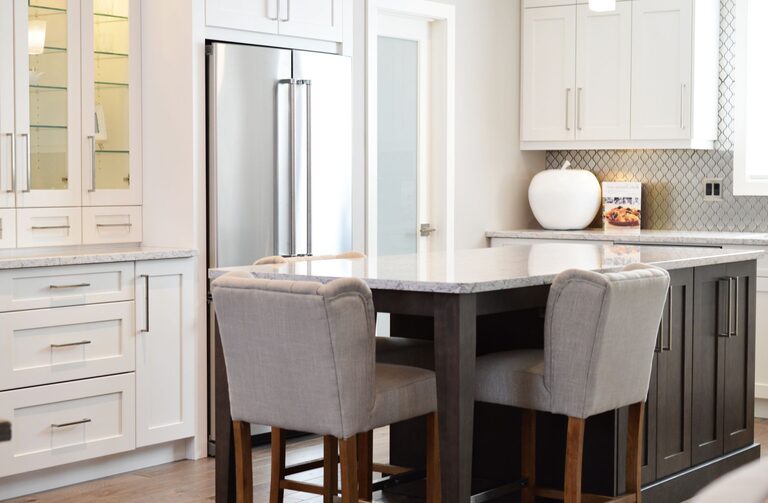
A clutter-free kitchen counter can make the entire room feel cleaner, brighter, and easier to use. When appliances, mail, dishes, and food containers collect on the counter, cooking becomes more difficult and cleaning takes longer. The good news is that you do not need a major renovation to create a more organized space.
With a few practical changes, you can decide what belongs on the counter, find better storage for everyday items, and create simple habits that keep clutter from returning.
Start With a Complete Counter Reset
Before organizing, remove everything from your kitchen counters. Place the items on a table, the floor, or another clean surface. This gives you a clear view of how much you have and prevents you from organizing around things that do not belong there.
As you remove each item, sort it into four groups:
– Keep on the counter
– Store somewhere else
– Donate or discard
– Decide later
Try not to keep too many items in the “decide later” group. If you are unsure about something, ask yourself:
– Do I use this at least several times a week?
– Does it make cooking or cleaning easier?
– Is there another item that serves the same purpose?
– Does it have a practical place to be stored?
Items that are rarely used should usually be stored in a cabinet, pantry, or closet rather than taking up valuable counter space.
Decide What Deserves Counter Space
Not every kitchen needs completely empty counters. The goal is to keep the items you use often and store the rest.
Common items that may deserve a permanent place include:
– A coffee maker or electric kettle used every morning
– A toaster used several times a week
– A knife block or cutting board used daily
– A fruit bowl
– A small container for cooking utensils
Consider the size of your counters and your cooking habits. If you use a large appliance only once a month, it may be better stored in a lower cabinet. Keeping it out of sight can free up space without making it difficult to access when needed.
You can also create a “one appliance at a time” rule. For example, keep the coffee maker out in the morning, but store it after use if you need the counter for food preparation.
Create Zones for Different Activities
Organizing the counter by activity makes the kitchen easier to use. Instead of spreading items across the entire surface, group them into practical zones.
Food Preparation Zone
Keep cutting boards, knives, mixing bowls, and frequently used seasonings near the area where you prepare food. A slim container for cooking tools can keep spatulas and wooden spoons together.
Beverage Zone
If your household uses coffee, tea, or flavored water throughout the day, create a small beverage station. Store mugs, tea bags, coffee, sweeteners, and a kettle in one area. Use a tray to keep small items contained and easy to move when cleaning.
Cleaning Zone
Place dish soap, a sponge, and a brush on a small tray or in a compact holder near the sink. This keeps wet items from spreading across the counter and makes the area look more orderly.
Baking Zone
If you bake often, keep measuring cups, a rolling pin, or baking tools together in a nearby drawer or cabinet. A labeled container can make these items easy to find without leaving them on the counter.
Use Vertical Space
When counter space is limited, look upward. Vertical storage can hold useful items without taking up much room.
Consider adding:
– A wall-mounted rail for utensils
– Hooks under cabinets for mugs
– A magnetic strip for compatible kitchen tools
– A narrow shelf for spices
– A pegboard for lightweight equipment
– A rack for cutting boards and baking sheets
Choose storage that fits your kitchen and does not interfere with cabinet doors, windows, or cooking areas. Wall storage should also be installed securely and kept away from heat sources when appropriate.
Open shelving can be helpful, but it may look cluttered if it holds too many items. Use it for attractive or frequently used pieces, and keep less appealing items behind closed doors.
Make Better Use of Cabinets and Drawers
Counters often become crowded because cabinets and drawers are difficult to use. Small improvements inside your storage spaces can make it easier to put things away.
Try these ideas:
– Add drawer dividers for utensils
– Use shelf risers to create extra levels
– Install pullout organizers in deep cabinets
– Store cutting boards vertically
– Place baking pans in a file-style rack
– Use clear bins for small pantry items
– Add a lazy Susan to corner cabinets
Group similar items together so you can find them quickly. For example, keep food storage containers in one cabinet, cooking tools in one drawer, and everyday plates near the dishwasher or dining area.
Avoid filling every cabinet completely. Leaving a little open space makes it easier to return items after use and reduces the chance that things will be placed on the counter instead.
Control Small Items That Create Visual Clutter
Small objects can make a kitchen look messy even when the counters are mostly clear. Mail, keys, receipts, chargers, and reusable shopping bags often collect near the kitchen entrance or on an empty corner.
Give these items a designated home. A wall pocket, small basket, or drawer near the entrance can hold mail and keys. Reusable bags can be stored in a larger bag or a cabinet bin.
For frequently used items, use one container instead of several loose objects. For example, place cooking oils on a tray, keep salt and pepper together, and store daily vitamins or pet supplies outside the kitchen if they do not belong there.
The container should be easy to use. If it requires too many steps to put something away, clutter will quickly return.
Keep Food and Dishes Moving
Food packaging and dirty dishes are common causes of counter clutter. After unpacking groceries, put ingredients away as soon as possible. If you need to leave items out for a meal, group them together on one tray rather than spreading them across the counter.
Make it a habit to clear dishes after eating. Load the dishwasher, wash a few items by hand, or place dishes in a designated area near the sink. Do not let the counter become a temporary storage space for items that belong elsewhere.
A small dish rack may be useful, but choose one that fits your needs. Oversized racks can take up more counter space than necessary. Consider a folding or roll-up rack if you only need one occasionally.
Use a Daily Five-Minute Reset
A short reset at the end of the day can prevent clutter from becoming overwhelming. Set aside five minutes to:
- Put appliances and tools back in their storage areas.
- Return food to the pantry or refrigerator.
- Move mail and personal items to their proper places.
- Load or wash dishes.
- Wipe the counters.
You can also do a quick reset after preparing a meal. Returning each item immediately after use keeps the mess manageable and makes the final cleanup much easier.
Review the System Regularly
Your kitchen organization should change as your routines change. Review the counters and cabinets every few months. Remove items you no longer use and adjust storage zones when necessary.
If a certain area keeps becoming cluttered, that usually means the current system is not convenient enough. Move the storage container closer, choose a larger bin, or reduce the number of items kept there.
A clutter-free kitchen is not about keeping every surface empty. It is about creating a practical home for the things you use and making it easy to put them away. By reducing excess items, using vertical and cabinet storage, and practicing a simple daily reset, you can keep your counters clear and your kitchen more enjoyable to use.