

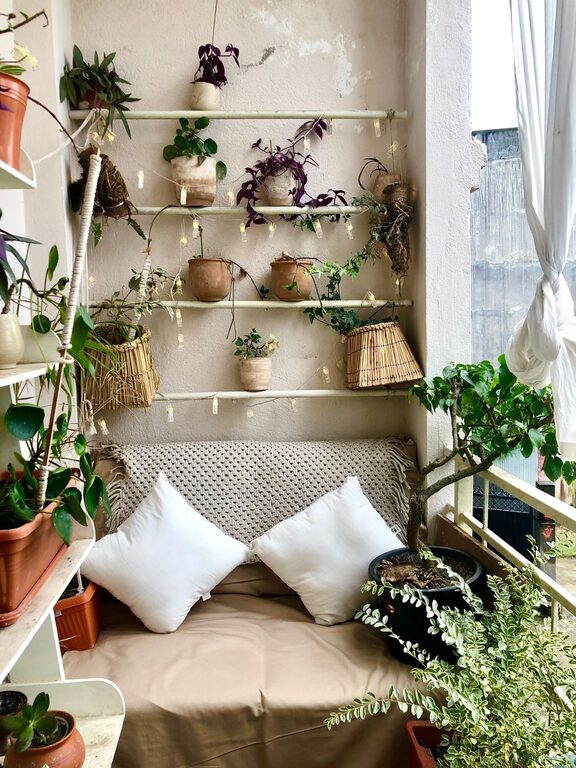
A small balcony can become one of the most enjoyable areas of your home. With the right furniture, lighting, and decorative details, even a narrow outdoor space can feel comfortable, personal, and useful.
The key is to think carefully about how you want to use the balcony. Do you want a quiet place to read, a spot for morning coffee, or a small area for relaxing with friends? Once you know its main purpose, it becomes easier to choose items that add comfort without creating clutter.
Start With a Simple Plan
Before buying anything, measure the balcony and note the location of doors, railings, windows, and outdoor outlets. A simple sketch can help you understand how much floor space is available and where furniture can fit.
Consider these questions:
– How many people should the balcony seat?
– Will the space be used for dining, relaxing, or both?
– Does it receive direct sunlight, shade, or wind?
– Is there room for plants or storage?
– Which items must be moved indoors during bad weather?
A small balcony usually benefits from a clear purpose and a limited color palette. Choosing two or three main colors can make the space feel organized and visually calm.
Choose Furniture That Fits the Space
The right furniture can make a small balcony feel comfortable without making it crowded. Look for compact pieces with simple shapes and lightweight construction.
Good options include:
– A narrow bench placed against a wall
– One or two folding chairs
– A small bistro table
– A floor cushion or outdoor pouf
– A compact lounge chair
– A fold-down wall table
Furniture that can be folded, stacked, or moved easily is especially useful. It allows you to change the layout when needed and makes cleaning easier.
A bench can provide seating for more than one person while using less space than separate chairs. Choose a design with storage underneath if possible. This hidden compartment can hold cushions, blankets, gardening tools, or small outdoor accessories.
Avoid filling every available area with furniture. Leaving some open floor space helps the balcony feel larger and makes it easier to move around.
Add Comfort With Textiles
Soft textiles are one of the easiest ways to make an outdoor space feel cozy. Seat cushions, pillows, and blankets add warmth and make basic furniture more inviting.
Choose fabrics designed for outdoor use whenever possible. They are generally better suited to sunlight and occasional moisture. If your balcony is exposed to the elements, store soft items indoors when they are not being used.
Try layering a few simple pieces:
– A seat cushion in a neutral shade
– Two or three pillows in complementary colors
– A lightweight throw for cool evenings
– A small outdoor rug to define the seating area
An outdoor rug can also make a balcony feel more like an extra room. Select a size that fits beneath the main furniture without covering every inch of the floor. A striped or lightly patterned rug can add interest, while a solid color creates a calmer look.
Use Lighting to Create a Warm Atmosphere
Lighting has a major effect on how cozy a balcony feels after sunset. Bright overhead lighting can be useful for practical tasks, but softer sources are usually better for relaxing.
Consider using:
– String lights along a railing or wall
– Battery-powered lanterns
– Solar lights in planters
– Small LED candles
– A portable table lamp made for outdoor use
Warm white bulbs usually create a more welcoming atmosphere than cool white bulbs. Place lights at different heights to make the space feel layered. For example, string lights can provide a gentle glow above, while lanterns or small lamps add light closer to the seating area.
Always choose lighting that is suitable for outdoor conditions and follow the manufacturer’s safety instructions. Keep cords secured and avoid placing lights where they could become a tripping hazard.
Bring in Plants Without Losing Space
Plants can make a balcony feel fresh and inviting, but too many large pots can quickly take up valuable room. Use vertical space and select plants that match the available sunlight.
Space-saving ideas include:
– Hanging planters from approved hooks
– A narrow plant stand
– Rail planters designed for balcony use
– Wall-mounted pots
– A tall, slim planter in an unused corner
– Small herb pots on a table or shelf
Group plants in different heights to create visual variety. A tall plant in the corner, medium-sized pots near the seating, and a few small plants on a shelf can make the balcony feel full without looking messy.
Choose sturdy containers with good drainage. If the balcony is windy, use heavier pots or place smaller containers inside stable holders. Make sure planters are secure and follow any building rules about hanging items from railings.
Make the Walls and Railings Work Harder
When floor space is limited, use vertical surfaces for decoration and storage. A wall-mounted shelf can hold plants, candles, or small decorative objects. A simple outdoor peg rail can provide a place for gardening tools or lightweight accessories.
You can also add personality with:
– A weather-resistant piece of wall art
– A small mirror designed for outdoor use
– A decorative trellis
– A fabric shade or privacy screen
– A narrow shelving unit
A privacy screen can make the balcony feel more sheltered and comfortable, especially in busy apartment buildings. Choose a material that allows some airflow and is securely attached. Natural textures such as bamboo, wood, or woven materials can add warmth.
Use care with mirrors and reflective objects. Position them where they will not create distracting glare or reflect strong sunlight into nearby homes.
Add Useful Storage
Clutter can make a small balcony feel cramped, so practical storage is important. Choose pieces that serve more than one purpose whenever possible.
Helpful storage ideas include:
– A bench with a storage compartment
– A weather-resistant storage box
– Hooks for folding chairs
– A slim cabinet for gardening supplies
– Baskets for blankets and cushions
– A small rolling cart
Store only the items you use regularly. Seasonal decorations and delicate textiles may be better kept indoors. Keeping the balcony clear also makes it easier to sweep, wash, and prepare the space for changing weather.
Create a Personal Finishing Touch
A cozy balcony should feel connected to your home. Choose colors and materials that complement the nearby room so the transition between indoor and outdoor areas feels natural.
You might add a favorite color through pillows, a planter, or a small rug. A tray can make it easier to carry coffee or snacks outside. A compact side table gives you a convenient place for a book, drink, or phone.
Try not to add too many decorative items. A few thoughtful details usually make a stronger impression than a crowded collection of accessories.
Keep the Space Comfortable Year-Round
Balcony conditions can change quickly, so choose items that are easy to protect. Use removable covers for furniture and bring cushions indoors during heavy rain or strong wind. Check plants regularly for signs of stress from heat, cold, or dry conditions.
In warmer months, a light shade, umbrella, or outdoor curtain can help reduce direct sunlight. During cooler weather, keep a washable blanket nearby and use weather-appropriate seating materials.
Finally, check building guidelines before installing hooks, screens, lighting, or planters. Safety and secure placement should always come first.
A small balcony does not need expensive furniture or elaborate decorations to feel cozy. With a comfortable seat, warm lighting, a few plants, and smart storage, you can create a welcoming outdoor retreat that makes every square foot count.