

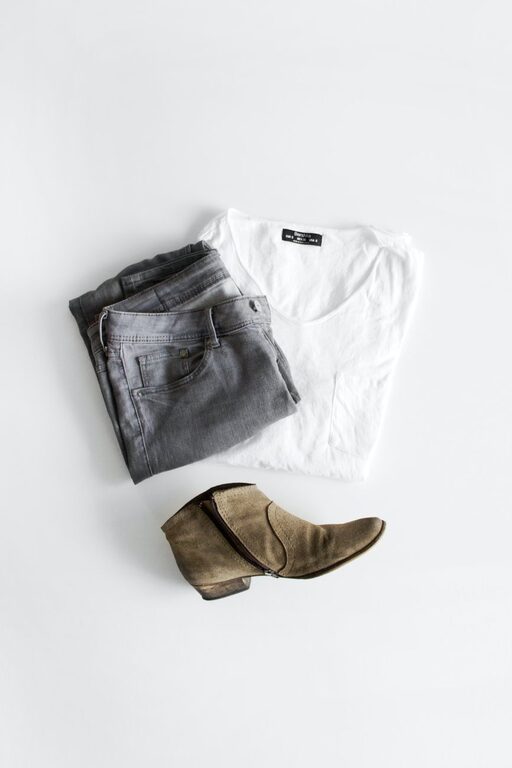
A capsule wardrobe is a small collection of clothing that works well together. Instead of filling your closet with items you rarely wear, you choose practical pieces that suit your lifestyle, fit comfortably, and can be combined in many ways.
Building a capsule wardrobe does not mean following strict rules or owning a specific number of items. The goal is to make getting dressed easier while keeping your closet useful and manageable. With a thoughtful approach, you can create a wardrobe that feels personal, flexible, and appropriate for everyday life.
What Is a Capsule Wardrobe?
A capsule wardrobe is a curated selection of clothing, shoes, and sometimes accessories. Most pieces coordinate with one another, allowing you to create many outfits from a relatively small collection.
A basic capsule wardrobe may include:
– Tops for casual and polished outfits
– Bottoms in different shapes and lengths
– One or two layering pieces
– A jacket or coat suitable for the season
– Comfortable everyday shoes
– One dress or special occasion option, if useful
– Accessories that add variety
The items you choose should reflect your daily activities. Someone who works from home may need more casual clothing, while someone who works in an office may need additional polished pieces.
Start With Your Lifestyle
Before choosing clothing, think about how you spend most of your time. A capsule wardrobe should support your real routine, not an imaginary version of your life.
Consider these questions:
– What do you wear during a typical week?
– Do you need workwear, casual clothing, or both?
– How often do you attend formal events?
– What activities require special clothing?
– What is the weather like where you live?
– Do you prefer trousers, skirts, dresses, or a mix?
– Which clothing items do you reach for most often?
Write down the main categories your wardrobe needs to cover. For example, you might need casual weekend clothing, office outfits, exercise clothes, and seasonal layers. This list helps you avoid buying items that look appealing but do not serve a useful purpose.
Review What You Already Own
You do not need to start from scratch. In fact, the best capsule wardrobe often begins with the clothes already in your closet.
Take everything out or review each item one at a time. Sort your clothing into four groups:
- **Keep:** Items that fit well, feel comfortable, and suit your current lifestyle.
- **Repair or alter:** Items that could be useful after a simple fix.
- **Store:** Seasonal pieces you are not currently wearing.
- **Donate or sell:** Items that no longer fit, suit your style, or meet your needs.
Be honest about what you actually wear. If an item has remained untouched for a long time, ask why. It may not fit properly, coordinate with other pieces, or suit your daily routine.
Avoid getting rid of useful clothing simply to reach a certain number. A capsule wardrobe should make life easier, not create pressure to own less than you need.
Choose a Simple Color Palette
A coordinated color palette makes it easier to create outfits. Start with two or three neutral colors, such as:
– Black
– Navy
– Gray
– White
– Cream
– Brown
– Denim
Then add one or two accent colors that you enjoy wearing. These could be green, blue, red, yellow, pink, or another shade that works well with your neutral pieces.
Your palette does not have to be perfectly matched. The purpose is to make outfit planning simpler. If most of your bottoms and layers are neutral, you can add interest with colorful tops, accessories, or shoes.
When choosing colors, consider what you already own. A palette based on your existing favorites is usually easier and less expensive than replacing everything.
Build Around Reliable Basics
Once you understand your lifestyle and preferred colors, identify the basic pieces your wardrobe needs. The exact list will vary, but a starting collection might include:
Tops
– Two or three T-shirts
– One or two shirts or blouses
– One lightweight sweater
– One warmer sweater or sweatshirt
– One polished top for dressier occasions
Bottoms
– One pair of jeans
– One pair of casual trousers
– One pair of dressier trousers or a skirt
– One additional bottom that suits your lifestyle
Layers
– A cardigan, overshirt, or light jacket
– A structured blazer or casual jacket, depending on your needs
– A coat or outer layer for the local climate
Shoes
– Comfortable everyday shoes
– Casual sneakers or walking shoes
– A dressier pair
– Weather-appropriate footwear, if needed
Optional Pieces
– A versatile dress
– A simple scarf
– A belt
– A practical everyday bag
– A small selection of jewelry
These are only suggestions. If you rarely wear dresses, you do not need one. If you live in a warm climate, you may need more lightweight tops and fewer heavy layers.
Prioritize Fit and Comfort
A versatile item is not useful if you do not enjoy wearing it. Fit and comfort should be more important than trends or labels.
Check whether each piece:
– Allows you to move comfortably
– Sits properly at the shoulders and waist
– Works with the undergarments you normally wear
– Feels suitable for the activities you plan to do
– Can be cared for without too much effort
If an item almost fits but needs constant adjusting, it may not earn a place in your capsule wardrobe. Simple alterations can improve some pieces, but do not keep clothing based only on its potential.
Comfort also includes fabric, weight, and texture. Choose materials that suit your climate and personal preferences. Clothing you enjoy wearing is more likely to become a reliable part of your wardrobe.
Create Outfit Combinations
Before buying anything new, make several outfits from your current selection. Try combining each top with different bottoms and layers. Take photos if that helps you remember successful combinations.
A useful capsule wardrobe should allow many combinations. For example:
– Jeans with a T-shirt and cardigan
– Trousers with a blouse and jacket
– A skirt with a sweater and boots
– A dress with sneakers for a casual look
– A shirt layered over a T-shirt
– A blazer worn with jeans or tailored trousers
Aim for clothing that works across multiple outfits. If a piece can only be worn in one specific combination, consider whether it is worth keeping or purchasing.
Add Variety With Accessories
Accessories can make a small wardrobe feel more varied without adding many clothing items. A scarf, belt, bag, or piece of jewelry can change the appearance of a familiar outfit.
Choose accessories that fit your lifestyle and color palette. For everyday use, practical items are often the most valuable. A comfortable bag, a useful belt, and a few simple accessories may provide more flexibility than a large collection of statement pieces.
Shop With a Specific List
After reviewing your wardrobe, write down genuine gaps. Your list might include a comfortable pair of trousers, a weatherproof jacket, or a neutral top that works with several bottoms.
Use the list when shopping and ask:
– Can I wear this with at least three items I own?
– Does it suit my lifestyle?
– Is the fit comfortable?
– Do I already own something similar?
– Can I care for it easily?
– Would I choose this item regularly?
Waiting before making a purchase can also help. If you still want the item after several days, it may be a more considered choice.
Review Your Wardrobe Over Time
A capsule wardrobe is not a one-time project. Your schedule, climate, preferences, and clothing needs may change. Review your collection at the beginning of each season or a few times a year.
Look for items that are worn often, ignored, damaged, or no longer suitable. Replace pieces when necessary, but avoid making changes simply because a new trend appears.
The most successful capsule wardrobe is one that supports your daily life. Focus on clothing that fits well, coordinates easily, and makes you feel comfortable and prepared. With a clear plan and regular review, a smaller wardrobe can offer plenty of practical outfit options.