

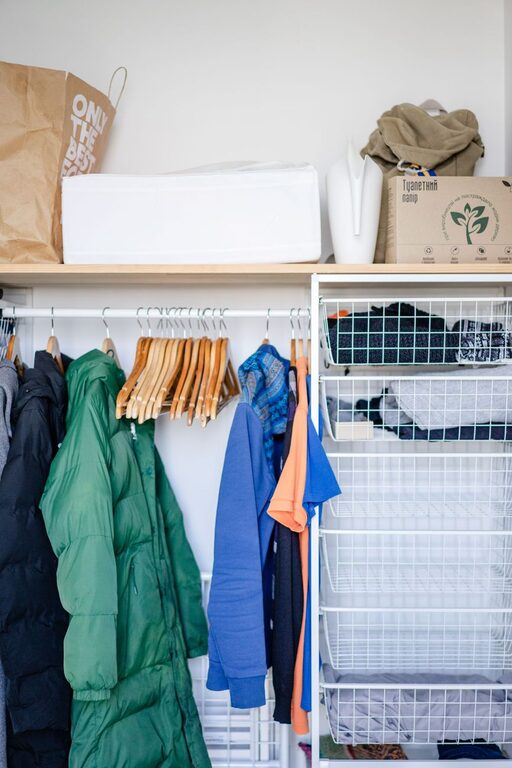
Why Seasonal Clothing Storage Matters
Storing seasonal clothes properly can free up closet space, protect fabrics, and make wardrobe changes much easier. When clothing is packed without preparation, it may develop odors, wrinkles, stains, or damage from moisture and pests. A simple storage routine helps keep garments in good condition while making it easier to find what you need when the weather changes.
The best approach is to clean, sort, fold, and store clothing according to its material and shape. You do not need expensive equipment or a large storage room. With a few practical supplies and a consistent system, almost any home can handle seasonal wardrobe storage efficiently.
Start by Sorting Your Clothes
Before packing anything, remove all clothing from the area you plan to organize. Sorting everything at once gives you a clear view of what you own and prevents items from being forgotten at the back of a drawer or closet.
Create separate groups for:
- Clothes to store for the next season
- Clothes that can be worn throughout the year
- Items to donate or give away
- Clothes that need repair or cleaning
- Special items that require separate storage
Be honest about what you are likely to wear again. If an item no longer fits, feels uncomfortable, or has not been worn for several seasons, it may not need to take up valuable storage space. Set aside these pieces before packing the rest.
Keep clothing that may be useful during changing weather, such as lightweight sweaters, jackets, or long-sleeved shirts, in an accessible part of the closet. Seasonal storage works best when it does not hide every item associated with a different temperature.
Clean Everything Before Storage
Never store clothing while it is dirty, even if the marks are difficult to see. Body oils, food particles, and perspiration can attract insects and become harder to remove over time. Odors may also become stronger in enclosed containers.
Wash or dry-clean garments according to their care labels. Make sure every item is completely dry before packing it. Even a small amount of moisture can lead to mildew, especially when clothing is stored in a warm or poorly ventilated space.
Pay special attention to:
- Coats and jackets worn outdoors
- Sweaters and scarves
- Workout clothing
- Swimwear and beach clothing
- Hats, gloves, and other accessories
After cleaning, check pockets for receipts, tissues, pens, and other items. Empty pockets help prevent stains and make clothes ready to wear when you unpack them.
Choose the Right Storage Containers
The right container depends on the type of clothing, the available space, and the storage location. Clear containers make it easy to identify contents, while fabric storage boxes allow some airflow and work well on closet shelves.
Plastic Containers
Plastic bins with secure lids are useful for storing folded clothes in basements, attics, and other areas where dust may be a concern. Choose sturdy containers that stack safely and are large enough to avoid crushing clothing.
Avoid packing garments so tightly that air cannot circulate. Overfilled containers can create deep wrinkles and may place unnecessary pressure on delicate fabrics.
Fabric Storage Bags
Breathable fabric bags are a good option for sweaters, jackets, and other items that benefit from airflow. They also work well inside closets or under beds. Select bags made from durable, washable material and label them clearly.
Vacuum Storage Bags
Vacuum bags can save space, but they are not ideal for every fabric. They may compress bulky coats, blankets, and similar items, but long-term compression can affect the shape of some garments. Avoid using them for structured clothing, delicate materials, or pieces with embellishments unless the care instructions allow it.
Hangers and Garment Bags
Use sturdy, shaped hangers for structured jackets, suits, and dresses. A breathable garment bag can help protect these items from dust. Avoid leaving delicate or heavy clothing on thin wire hangers, which may create dents or distort the shoulders.
Fold Clothes the Right Way
Most seasonal clothes should be folded neatly to reduce stretching and save space. Fold sweaters rather than hanging them, since their weight can pull the shoulders out of shape. Place heavier items at the bottom of a container and lighter garments on top.
For shirts, pants, and casual clothing, smooth the fabric before folding. This reduces wrinkles and makes unpacking easier. If you are storing several types of clothing together, group similar items in separate sections or smaller bags.
Use acid-free tissue paper for delicate garments, embroidery, or clothing with decorations. A layer of tissue paper can reduce friction and help preserve the shape of special pieces. Do not use newspaper, as ink can transfer to fabric.
Protect Shoes and Accessories
Shoes should be cleaned and completely dry before storage. Remove dirt from soles and wipe the outside according to the material. Stuff boots and shoes with clean paper or boot shapers to help them maintain their form.
Store shoes separately from clothing when possible. If they must share a container, place each pair in a washable shoe bag or individual cloth bag. Avoid sealing shoes in plastic immediately after wearing them, as trapped moisture can cause odors.
Small accessories can be organized in labeled pouches or small boxes. Keep gloves together, place scarves in one container, and store belts flat or loosely coiled. Jewelry and other small items should be kept in a separate organizer so they do not snag clothing.
Use Labels and an Inventory
A label on every container saves time later. Include both the season and the main contents, such as “Winter sweaters and scarves” or “Summer swimwear and linen.” If containers are stacked, place labels on the top and front whenever possible.
For larger wardrobes, create a simple inventory on your phone or computer. Note where special items are stored and list any clothing that needs repair before the next season. Photos can also help you remember the contents of opaque boxes.
Avoid creating labels that are too general. A label such as “Clothes” is less useful than one that identifies the type of clothing and its storage location.
Select a Suitable Storage Location
Store clothing in a cool, dry, and reasonably stable environment. Avoid areas that are exposed to leaks, extreme heat, direct sunlight, or frequent changes in humidity. If you use a basement or attic, keep containers off the floor on shelves or pallets. This provides extra protection from moisture and makes cleaning easier.
Do not place clothing containers directly beside heating equipment. Prolonged heat can damage some fabrics, weaken elastic, and fade colors. Keep storage areas clean and check them occasionally for dust or signs of moisture.
Refresh Your Storage System Each Season
When the season changes, unpack clothing in a clean, well-ventilated area. Inspect each item before putting it away or wearing it. Air out garments that have been stored for a long time, and wash anything with an unusual odor.
Use the seasonal change as a chance to improve your system. Move frequently used items to the easiest-to-reach locations, repair damaged clothing, and remove pieces you no longer need. Reuse the same container categories and labels each year so the process becomes quicker.
With careful sorting, proper cleaning, breathable storage, and clear labels, seasonal clothing can remain fresh and organized throughout the year. A consistent routine protects your wardrobe and makes each change of season simpler.