

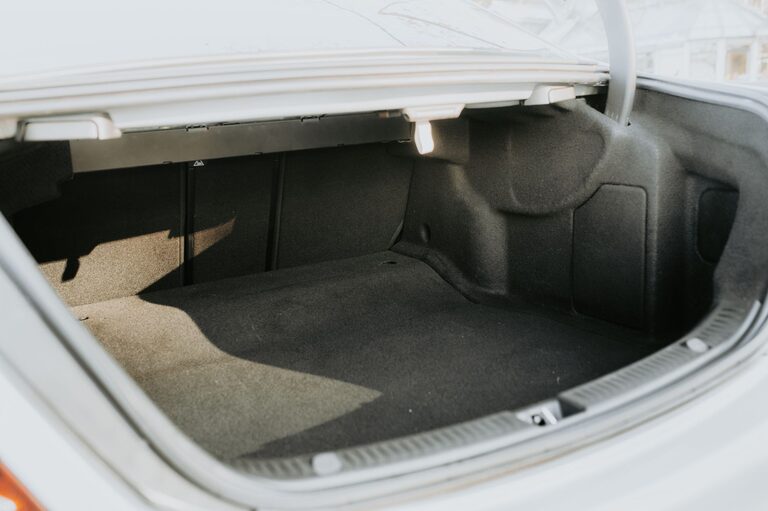
A clean, organized car is more comfortable to drive and easier to enjoy. It can also save time when you know exactly where to find important items. The good news is that keeping your car tidy does not require expensive products or hours of work. A few practical habits can make a noticeable difference.
Start With a Complete Clear-Out
Before organizing your car, remove everything from the interior. Take out shopping bags, empty cups, clothing, papers, toys, and any other items that do not belong there. Check under the seats, inside the door pockets, in the center console, and in the trunk.
Create three groups:
– Keep in the car: Items you regularly need while driving
– Move elsewhere: Things that belong at home, work, or another location
– Throw away or recycle: Receipts, wrappers, bottles, and other waste
This first step makes it easier to see how much space you have and what needs to be organized. It also prevents you from trying to arrange items that should not be in the car at all.
Create a Simple Storage System
Every item in your car should have a designated place. When objects do not have a home, they tend to collect on seats and floors.
Use storage areas based on how often you need each item:
– Center console: Sunglasses, charging cables, pens, and other small essentials
– Glove compartment: Vehicle documents, a small flashlight, and basic information
– Door pockets: Tissues, hand wipes, and items you use during a trip
– Seat-back pockets: Books, activity items, or travel supplies
– Trunk or cargo area: Reusable shopping bags, outdoor items, and emergency supplies
Avoid filling every compartment to its limit. Leave some extra space so items are easy to remove and return. An overloaded storage area can quickly become just as messy as an open seat.
Use Small Containers
Small bins, pouches, and zippered organizers can keep loose items together. A container for charging cables, another for cleaning supplies, and a separate pouch for personal items can make the interior easier to manage.
Choose containers that fit your car’s available space. Soft organizers are useful because they can bend around other items and are less likely to rattle. For the trunk, a divided storage bin can help keep groceries, tools, and other supplies from moving around while you drive.
Keep Trash Under Control
Trash is one of the fastest ways for a car to look and smell untidy. Place a small car trash container or reusable bag in an easy-to-reach location. Empty it whenever you stop for fuel or return home.
Choose a container that is:
– Easy to open and close
– Large enough for daily use
– Simple to remove and clean
– Secure enough to stay upright
Do not let food packaging or drink containers remain in the car overnight. Even a small amount of leftover food can create unpleasant odors and attract insects.
Set a Five-Minute Daily Routine
A short daily reset is easier than a large cleaning project. At the end of each day or after your final trip, spend five minutes putting things back in place.
A quick routine can include:
- Remove trash and empty containers.
- Take out items that do not belong in the car.
- Return loose items to their storage locations.
- Straighten floor mats and seat pockets.
- Check the trunk for items that can be stored elsewhere.
If you have children or passengers, invite them to take their belongings with them when they leave. Small actions from everyone can reduce the amount of work for the driver.
Clean From Top to Bottom
When it is time for a deeper clean, work from the top of the interior downward. This prevents dust and crumbs from falling onto areas you have already cleaned.
Clean the Interior
Begin by dusting the dashboard, vents, door panels, and other hard surfaces with a microfiber cloth. Use a lightly damp cloth for most surfaces, and follow your vehicle’s care instructions for materials such as leather or special trim.
Next, vacuum the seats, floor, mats, and areas under the seats. Use a narrow attachment for seams, corners, and gaps around the center console. Remove the floor mats before vacuuming so you can clean the carpet underneath.
For spills, blot the area instead of rubbing it aggressively. Use a cleaner suitable for the material, and test it on a small hidden spot first. Avoid soaking upholstery, since excess moisture can take a long time to dry.
Clean the Windows and Mirrors
Clean windows improve visibility and make the interior feel fresher. Use a glass cleaner designed for automotive surfaces and a clean microfiber cloth. Spray the product onto the cloth rather than directly onto the glass to help protect nearby dashboard surfaces.
Wipe in one direction on the inside and another direction on the outside. This can make it easier to identify which side needs additional cleaning if streaks appear.
Protect the Floor and Seats
Floor mats help protect the carpet from mud, sand, water, and daily wear. Rubber or all-weather mats are especially useful during wet or snowy seasons because they are easy to remove and rinse.
For fabric mats, shake them out regularly and vacuum them when needed. Allow mats to dry fully before placing them back in the car.
Seat covers can be helpful if you often transport pets, sports equipment, gardening supplies, or messy items. Keep the covers clean and choose materials that are easy to remove and wash.
Organize the Trunk or Cargo Area
The trunk often becomes a place for items that have no other home. To keep it useful, divide the space into sections.
You might reserve one area for:
– Reusable shopping bags
– Basic roadside supplies
– Outdoor or sports equipment
– Seasonal items
– Cleaning cloths and extra supplies
A trunk organizer can prevent items from rolling around. For heavier objects, place them low and close to the back of the seats. This helps keep the cargo area stable and makes items easier to lift.
Review the trunk once a month and remove anything you no longer need. Seasonal items should be stored elsewhere when they are not in use.
Manage Cables and Small Accessories
Charging cables, earbuds, coins, and other small accessories can quickly create clutter. Use cable ties, small pouches, or a dedicated compartment to keep them together.
Keep only the cables that fit your current devices. Labeling cables or storing them in separate sections can make them easier to find. Avoid leaving loose cords near the pedals, gear selector, or other controls.
A small pouch can also hold items such as hand wipes, tissues, lip balm, or a compact notebook. Keeping these items together prevents them from spreading throughout the cabin.
Build Habits That Last
The best organization system is one you can maintain. Avoid keeping more items in the car than you regularly use. If a storage solution is difficult to access, you may stop using it.
Make these habits part of your routine:
– Remove trash every day
– Return items after each trip
– Vacuum when you notice visible dirt
– Wipe high-touch surfaces regularly
– Check the trunk once a month
– Clean spills as soon as possible
A few minutes of regular care can prevent clutter, stains, and odors from becoming larger problems. With simple storage choices and consistent habits, your car can stay clean, organized, and comfortable throughout the year.