

Food waste can happen in small ways: buying more than you need, forgetting ingredients in the refrigerator, or cooking portions that are too large. Over time, these habits can add up to wasted food, money, time, and energy.
The good news is that reducing food waste does not require a complete lifestyle change. A few simple habits can help you use more of the food you buy and make everyday meals more efficient.
Plan Before You Shop
One of the easiest ways to prevent food waste is to make a plan before going to the grocery store. A short plan helps you avoid impulse purchases and ensures that ingredients have a purpose.
Check what you already have
Before writing a shopping list, look through your refrigerator, freezer, and pantry. Note foods that need to be used soon, such as fresh produce, dairy products, and leftovers. Build one or two meals around these ingredients.
This simple check can prevent you from buying items you already have. It can also give you ideas for meals that use several ingredients at once.
Plan flexible meals
You do not need to plan every meal in detail. Instead, choose a few main dishes and keep some flexible ingredients on hand. For example, vegetables can be used in soups, stir-fries, pasta dishes, omelets, or grain bowls.
A flexible plan makes it easier to use food before it spoils, even if your schedule changes.
Make a realistic shopping list
Write down the ingredients and approximate amounts you need. Consider how many people you are feeding and how often you expect to cook during the week.
Avoid shopping for an ideal schedule if you know you may eat out, order takeout, or have busy evenings. A realistic list is more useful than an ambitious one.
Shop More Carefully
Smart shopping habits can help prevent excess food from entering your home in the first place.
Buy the amount you will use
Large packages may appear to offer better value, but they are not a good choice if you cannot use the food before it spoils. Choose smaller quantities for foods that do not freeze well or have a short shelf life.
For fresh produce, consider buying a few days at a time instead of stocking up for several weeks.
Be careful with special offers
Discounts and multi-buy deals can encourage unnecessary purchases. Before buying, ask yourself:
– Do I already have this item at home?
– When will I use it?
– Can I store it properly?
– Will I realistically finish it before it spoils?
A lower price is not a saving if the food goes unused.
Choose imperfect produce
Fruits and vegetables may look different because of their shape, size, or color while still being suitable for eating. Choosing these items can help reduce waste at the store and often provides a lower-cost option.
Store Food Properly
How you store food affects how long it stays fresh. A few adjustments can protect ingredients and make them easier to find.
Organize your refrigerator
Keep foods that need to be used soon in a visible location. You might place them on a designated shelf or in a clearly labeled container. Store newer items behind older ones so the older food is used first.
Avoid overcrowding the refrigerator. Air needs to circulate around food to help maintain a consistent temperature.
Learn basic storage habits
Some foods last longer when stored in the refrigerator, while others are better kept at room temperature. For example, many fruits release natural gases that can cause nearby produce to ripen faster. Keeping certain fruits separate from sensitive vegetables may help extend freshness.
Use airtight containers for opened foods and leftovers. Label containers with the date so you can quickly see what should be eaten first.
Use the freezer
Freezing is a useful way to preserve food that you will not eat soon. Bread, cooked grains, soups, sauces, chopped vegetables, and many fruits can be frozen for later use.
Divide food into meal-sized portions before freezing. Smaller portions thaw more quickly and reduce the chance that you will defrost more food than you need.
Understand Food Date Labels
Date labels can be confusing, but they do not all mean the same thing. Some dates relate to quality, while others provide guidance about safe handling or storage.
Read the wording on the package and use your judgment. Check the food’s appearance, smell, and texture when appropriate. If a product shows signs of spoilage, such as mold, an unusual odor, or a damaged package, discard it.
When you bring groceries home, place items that should be used soon where you can see them. This helps prevent good food from being forgotten.
Make the Most of Leftovers
Leftovers are one of the simplest ways to reduce waste and save time. The key is to make them appealing and easy to use.
Store leftovers promptly
Place leftovers in shallow containers and refrigerate them promptly. Divide large amounts into smaller containers so they cool and store more efficiently.
Add a label with the date and a short description, especially when the food is difficult to identify later.
Change the format
Eating the same meal several days in a row can become unappealing. Instead, use leftovers as ingredients in a new dish. Roasted vegetables can become a filling for wraps, an addition to pasta, or a topping for grain bowls. Cooked chicken can be added to soup, salad, or sandwiches.
Small amounts of several leftovers can also be combined into a mixed meal, such as a fried rice dish, soup, or casserole.
Freeze extra portions
If you know you will not eat leftovers soon, freeze them rather than leaving them in the refrigerator. Record the contents and date on the container to make future meal planning easier.
Use More of Each Ingredient
Many foods have useful parts that are often overlooked. Using more of an ingredient can reduce waste and add variety to meals.
– Use vegetable stems and trimmings in soups or homemade stock.
– Turn ripe fruit into smoothies, sauces, or baked dishes.
– Use stale bread for breadcrumbs, croutons, or toast.
– Add soft vegetables to soups, sauces, or casseroles.
– Save citrus zest for dressings, baked goods, or marinades.
– Use herb stems to flavor stocks, sauces, or cooked dishes.
Not every part of every food is suitable to eat, so check reliable food preparation guidance when trying something new.
Serve Reasonable Portions
Serving too much food can lead to large amounts of waste at the table. Start with smaller portions and allow people to take more if they are still hungry.
When cooking for a group, estimate portions based on the type of meal. You can also serve some foods separately, such as sauces, toppings, and side dishes, so guests can choose how much they want.
If food remains on the plate, consider whether the portion size, recipe, or serving style could be adjusted next time.
Create a “Use It Soon” Routine
Set aside one day each week to use ingredients that are nearing the end of their freshness. This might be a soup night, leftover night, or clean-out-the-refrigerator meal.
Keep a small list on the refrigerator of foods that should be used soon. When you are short on time, choose one of these ingredients and search for a simple recipe or preparation method.
Compost What You Cannot Use
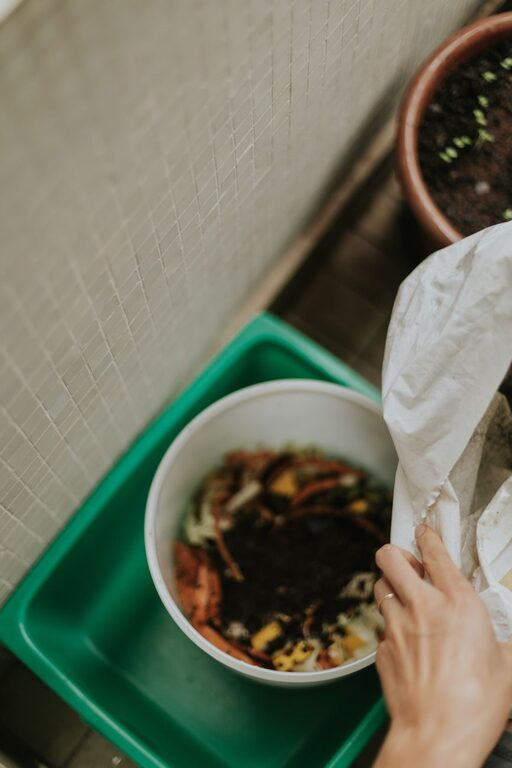
Some food scraps cannot be eaten, even with careful planning. Composting can keep suitable scraps out of the trash and turn them into material that supports soil health.
Depending on your local options, you may be able to compost at home, use a community program, or collect scraps for a local service. Follow the guidelines for your area, since accepted materials can vary.
Reducing food waste starts with small, repeatable choices. By planning meals, shopping thoughtfully, storing food correctly, using leftovers, and serving practical portions, you can make the most of your groceries while creating a more efficient kitchen.